

Spoken English

Spoken English

Successfully Completed 17 Batches & More Than 300+ Students Trained.

About Instructor
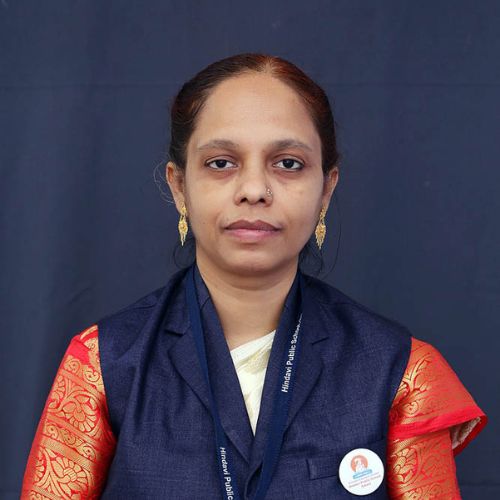
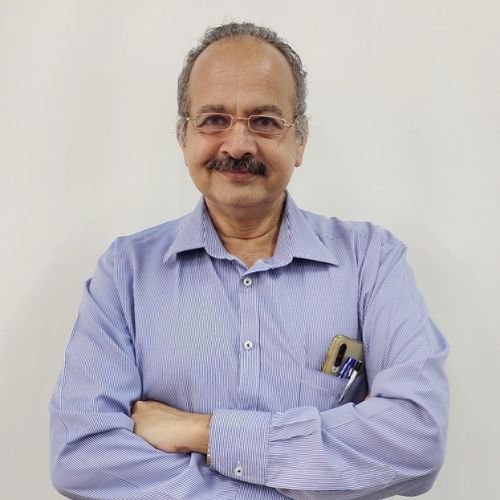
Mrs. Shaikh Almas Sajid

Mrs. Almas Shaikh is a passionate and experienced English teacher with over 15 years of teaching experience in schools. She holds degrees in B.A., B.Ed., and D.Ed. from Shivaji University and is fluent in English, Marathi, and Hindi. Known for her friendly teaching style and practical approach to language learning, she helps learners build confidence in speaking English effectively.

Course Description

What will you learn?

  1. To enable the students to communicate in English
  2. To apply the knowledge, expressions in English in his conversation
  3. To develop communication in English

Basic Level

Basic Vocabulary, word formation, idioms, Observations, Small talks, Self-Introduction.

Intermediate to Advance Level

Useful Grammar, Parts of Speech, Phrasal Verbs, Sentence Transformation, Kinds of Sentence, Voice, Reporting Speech, Speeches, Interview Training

Reference Books Recommended:

  1. Wren and Martin “English Grammer”
  2. Mickel Swan “Practical English Usage”

Spoken English

Enhance English communication skills from basic to advanced levels through vocabulary building, grammar, conversational practice, and interview training.

Radio Jockey

Radio Jockey

Successfully Completed 17 Batches & More Than 300+ Students Trained.

About Instructor

Jitendra Pandurang Babar

Jitendra Pandurang Babar is an experienced Radio Jockey and Announcer at All India Radio, Satara. He holds diplomas in Mass Communication & Journalism, HR Management, and Computer Applications. Jitendra has participated in national events like Bharat Yatra and regional Sammelans. He specializes in sound design, editing, and radio presentation skills. At Hindavi Future Skills, he inspires students to excel in broadcasting and communication.

Course Description

What will you learn?

  1. Comprehensive Knowledge of Radio Broadcasting
  2. Practical Skills in Program Creation and Technical Operations
  3. Ability to Independently Manage a CRS

Understand the medium of broadcasting and basic of radio jockeying
Writing for Radio: Script writing, Writing for Radio, Radio Plays, Radio Discussions & Interviews
Program Production: Audio recording, Audio Editing, Comparing

Voice modulation training, Basics of fluency, pitch, tone, Pronunciation, Word Stress Explanation, developing voice acting skills, Mic usage, On Air Training, Drive time shows, Late night shows, Radio Station Visit

Reference Books Recommended:

  1. Simran Kohali “The radio jockey handbook”
  2. J.K.Choudhari “ Build your Career as a Radio Jockey”
  3. Sudhir Choudhari “ Prasar Bharati and Prasaran Niti”
  4. Navneet Mishr “Vani Aakashwani”

Radio Jockey

Comprehensive knowledge and practical skills in radio broadcasting, including scriptwriting, voice modulation, program production, and independently managing a Community Radio Station (CRS)

Introduction To Research

Introduction to Research

Successfully Completed 17 Batches & More Than 300+ Students Trained.

About Instructor

Dr. Vishwas Yashawant Deshpande

Dr. Vishwas Deshpande is a highly respected academic with over 36 years of teaching experience in Zoology. He retired as a Professor from Yashavantrao Chavan Institute of Science, Satara, and has guided multiple PhD students. He holds a PhD from Shivaji University, Kolhapur, and has published 46 research papers, authored 3 reference books, and completed 2 UGC-sponsored research projects. A former Chairman of the Board of Studies in Zoology and Fisheries, Shivaji University, his extensive academic and research background makes him a valuable guide for students beginning their research journey.

Course Description

What will you learn?

  1. Understand the fundamentals of research and its importance in academia.
  2. Apply research design methodologies to qualitative and quantitative studies.
  3. Conduct literature reviews, write research papers, and maintain academic integrity.
  4. Utilize research tools, software, and technology for data analysis and presentation.

Research Fundamentals and Design

  • Understanding Research Basics: Definition and significance of research, Types of research: qualitative and quantitative, The research process: from idea to publication, Formulating research questions and hypotheses, Introduction to research ethics.
  • Research Design and Methodology: Appropriate research problem identification and its planning, Sampling techniques and sample size determination, Data collection methods: surveys, interviews, experiments, Data analysis techniques and statistical tools, Handling and interpreting research data.

Literature Review, Writing, and Research Tools

  • Literature Review and Writing: Conducting a comprehensive literature review, Academic writing and citation styles (APA, MLA, etc.), Structuring a research paper: introduction, methodology, results, discussion, conclusion, Avoiding plagiarism and maintaining academic integrity, Effective communication of research findings
  • Research Tools and Technology: Introduction to research software

Reference Books Recommended:

  1. Kothari, C. R. “Research Methodology: Methods and Techniques.”
  2. Creswell, John W. “Research Design: Qualitative, Quantitative, and Mixed Methods Approaches.”
  3. Kumar, Ranjit. “Research Methodology: A Step-by-Step Guide for Beginners.”
  4. Saunders, Mark, et al. “Research Methods for Business Students.”
  5. Trochim, William M.K. “Research Methods: The Essential Knowledge Base.”

Introduction to Research

Essentials of academic research, including design methodologies, literature review, ethical writing, and data analysis using modern research tools and technology.